
Two jobs sit behind one order when a plant buys imported polyol through a distributor: bringing a qualified grade in by container, and keeping it available in the packing sizes a line actually uses. Akum Globus Pvt. Ltd. combines both, importing polyether polyol and dispatching it in drums, IBCs and bulk tankers. Top rated polyol import and distribution suppliers are judged on the second job, because a container at a port is worth nothing to a reactor that is waiting.
What should a buyer check on an imported polyol before accepting a landed batch? Start with the batch number and the certificate of analysis, then confirm that hydroxyl value, viscosity and moisture content sit inside the approved band. Inspect seals and drum condition, because a landed lot that has been opened or stored badly is a different proposition from the one ordered. Only then should the quality team release the landed polyol batch to production.
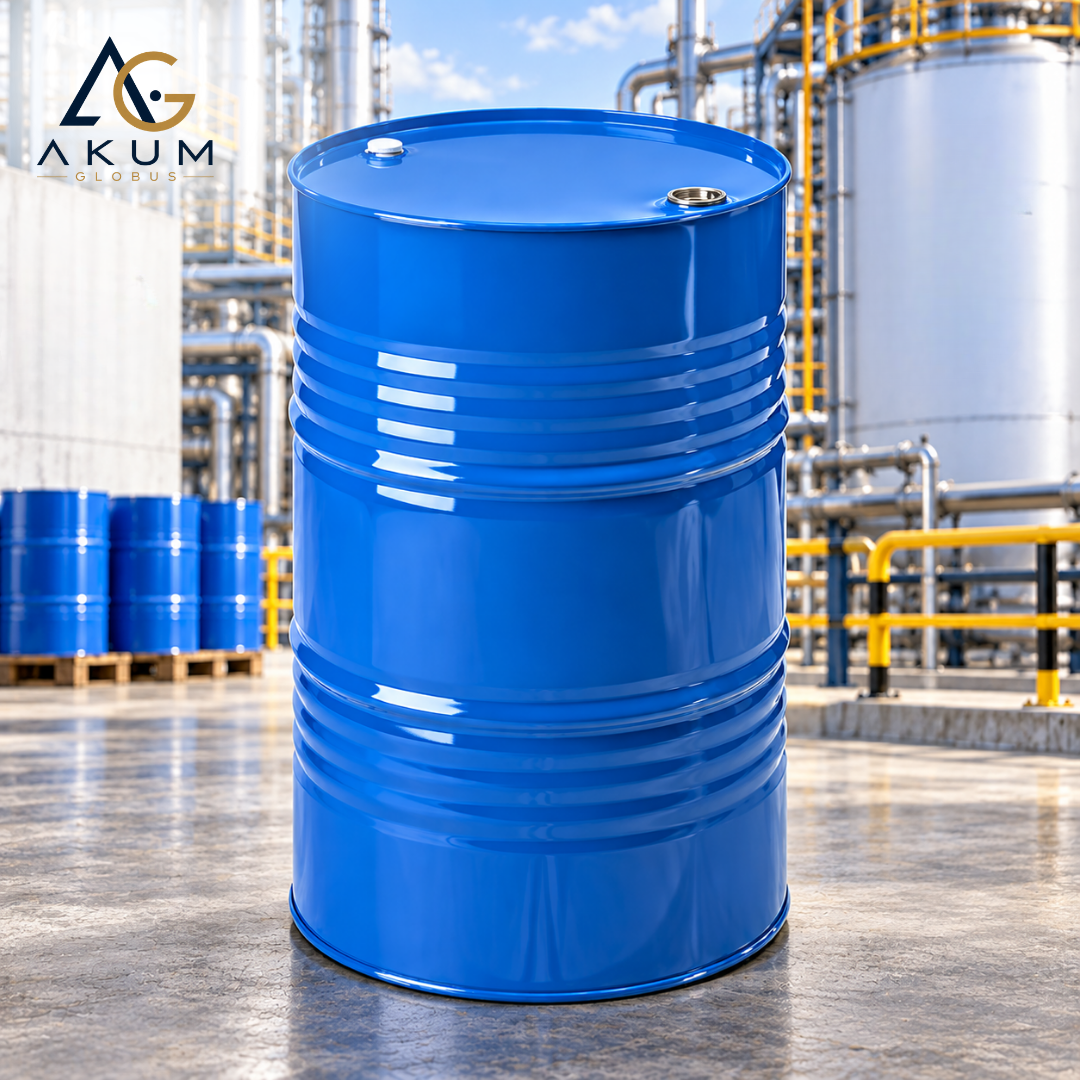
Can a distributor split a container into drum lots so a smaller plant can qualify the grade without buying the whole shipment? Yes, and it is one of the practical reasons to buy through a distributor rather than direct. A plant takes a drum or an IBC, runs a trial and commits to a larger volume once the foam behaves. The balance is held for other buyers on the same specification, which is how drum lots from a shared container work.
The real product of a distributor is availability, because a qualified import sitting at a port is no better than a grade nobody has approved. Stock in the warehouse, a dispatch plan that follows consumption and documents that arrive with the drum are what a plant buys. Price matters, but it matters second to a grade that can be delivered this week, and buyers who weigh best polyol distribution suppliers usually learn that once.
What should a landed batch be checked for before it enters the store? Condition as much as chemistry, so the certificate is compared with the drum and the seals are inspected first. That habit separates top rated polyol import and distribution suppliers from traders, and it is why the best polyol import and distribution suppliers are trusted by manufacturers who cannot inspect a container themselves.
Batch Number Verified : The drum label, the certificate and the dispatch note are checked against one another, so the batch that arrives is the batch that was ordered and can be traced afterwards. A label and certificate check takes a minute at the gate.
Hydroxyl Value Checked : The landed hydroxyl value is compared with the approved band before release, since a small drift is enough to change the hardness a foam line produces. Hydroxyl value on the landed drum decides whether the lot is released.
Viscosity Confirmed Again : Viscosity is reviewed so the grade handles as the plant expects, particularly where the warehouse temperature differs from the temperature on the customer floor. Viscosity after storage can move if a drum has been left in the sun.
Moisture Within Limits : Moisture content is checked because a long route and a humid store can both leave a mark that appears only as a defect after the foam has been poured. Moisture content at release is the cheapest point to catch it.
Seals and Packing Intact : Closures, drum heads and IBC frames are inspected on receipt, and a damaged pack is held aside rather than blended into a lot that is about to be dispatched. Damaged packing held aside protects the next customer.
Stock is rotated so the oldest approved batch moves first, which keeps half-used drums out of the warehouse. Top rated polyol import and distribution suppliers and the best polyol import and distribution suppliers are separated by that habit more than by price, and manufacturers notice it when a drum is needed in a hurry.
Distribution matters most where a plant needs a grade quickly and in a quantity that suits its storage. A mattress line may want drums every fortnight, a panel plant may want IBCs monthly, a blender may want two grades in one dispatch. Top rated polyol distribution supply is arranged around those patterns rather than around a container manifest.
Foam Plants on Weekly Cycles : Mattress foam units buy against a weekly or fortnightly rhythm, so the grade is held in drums and released as the line consumes rather than as a container lands. Weekly drum releases keep storage small and stock fresh.
Panel Presses in Long Runs : Panel plants often work in IBCs and need one rigid grade across a long run, so local stock keeps the press supplied between container arrivals. IBC supply between landings protects the production schedule.
Blenders Needing Two Grades : A blender may need two grades in one dispatch, and a distributor holding both can combine the order without asking the plant to buy a full container of each. A mixed grade dispatch saves a second order.
Trial Batches for New Lines : A new line is proven on drum lots before a container is committed, which lets a plant test the grade against its own formulation at modest cost. Drum lots for trials lower the cost of entry.
Plants With Limited Storage : A plant without space for a full container can draw smaller lots and let the balance sit in the distributor warehouse until it is needed. Small lots from stock keep a store workable.
Because the stock sits in a warehouse rather than on the water, the gap between a decision and a delivery is measured in days, which is what most plants mean when they ask for availability. Best polyol distribution supply is that short gap, repeated.
How can a distributor prove that stock is really available? By answering with a batch number and a dispatch date rather than a promise. Top rated polyol import and distribution suppliers keep stock, documents and packing in view at once; the best polyol import and distribution suppliers make manufacturers independent of a container schedule. Akum Globus Pvt. Ltd. holds imported polyol and dispatches drum lots to plants that cannot absorb a container.
Local Stock of Imported Grades : Imported grades are held so a plant can order a drum or an IBC and receive it without waiting for a vessel or a clearance window. Stock held against demand shortens the wait to days.
Container Splitting for Trials : A container can be broken into drum lots, which lets a smaller plant qualify an imported grade on a trial volume before it commits further. Containers split into drum lots open imports to smaller buyers.
Several Grades in One Load : A mixed order of two or three grades can be assembled from stock, so a plant with more than one formulation places one order instead of several. Mixed grades in one load cuts the paperwork.
Documents With Every Drum : The certificate, safety data sheet and batch record travel with the consignment, which keeps the quality file complete without a follow-up request. Documents with each drum let a plant release on arrival.
Dispatch Planned to Demand : Deliveries are scheduled against consumption, with the freight basis agreed in advance, so a plant is not forced to take a full container to secure a grade. Dispatch against consumption keeps capital free.
For buyers who have waited on a container, local availability is the whole argument, and why a distribution relationship often outlasts a single import cycle. Top rated polyol import and distribution suppliers and the best polyol import and distribution suppliers stay on the approved list for that reason, and manufacturers rarely reopen a file once availability has been proven.
Send the grade, the packing, the quantity and the delivery details to [email protected], and availability is confirmed with the specification and dispatch date in writing. Trial drum lots can be arranged before a larger order, and a mixed requirement is quoted on one sheet so a buyer can compare it with another offer.
Explore our range of polyurethane chemicals and specialty solutions developed to support efficient processing, formulation flexibility, consistent quality, and reliable industrial performance.
Copyright © 2026 Akum Globus Pvt. Ltd.. All Rights Reserved. Designed By HD Smart Media